How To Survive Your Boss In Professional Double Glazing


Professional Double Glazing: Enhancing Home Comfort and Efficiency
As house owners significantly prioritize energy effectiveness, comfort, and aesthetic appeal, expert double glazing has actually become an essential option. This short article digs deep into what double glazing is, its benefits, the products used, setup processes, maintenance, and often asked questions to help property owners make notified decisions.
Comprehending Double Glazing
Double glazing describes making use of 2 panes of glass separated by an area (frequently filled with argon gas) to produce an insulating barrier. This technology is commonly utilized in windows and doors and serves to considerably enhance the thermal performance of a structure.
Advantages of Double Glazing
- Energy Efficiency: Double glazing decreases heat loss, keeping homes warmer in winter and cooler in summer season, which equates to decrease energy expenses.
- Sound Reduction: The air gap in between the glass panes works as a buffer that reduces external noise, making homes quieter.
- Condensation Prevention: Enhanced insulation reduces the possibility of condensation forming on window surface areas.
- Increased Security: Double-glazed units are generally tougher than single-pane glass, offering enhanced resistance versus required entry.
- UV Protection: The layered glass assists obstruct hazardous UV rays from penetrating the property, protecting carpets, furnishings, and art work from fading.
| Advantage | Description |
|---|---|
| Energy Efficiency | Reduces heat loss and decreases energy costs |
| Sound Reduction | Lessens external noise invasion |
| Condensation Prevention | Decreases the chance of moisture accumulation on windows |
| Increased Security | Provides improved resistance to break-ins |
| UV Protection | Blocks harmful rays, maintaining indoor looks |
Types of Double Glazing
Several types of double-glazing systems are available, each with specific attributes that deal with various requirements:
- Standard Double Glazing: Composed of two panes of glass, frequently used in homes.
- Low-E Glazing: Features a special finish that reflects heat back into the room, including to energy effectiveness.
- Acoustic Glazing: Designed particularly to reduce sound transmission, ideal for homes in hectic locations.
- Self-Cleaning Glass: Utilizes a special finishing that breaks down dirt particles, making cleansing easier.
- Triple Glazing: Incorporates 3 panes of glass, using even greater insulation than double glazing.
Installation Process
The installation of double glazing is a delicate process that needs professional competence to make sure optimum efficiency. Here's a quick overview of the common steps involved:
- Consultation: Homeowners discuss their needs and preferences with a double-glazing specialist.
- Measurement: Accurate measurements of existing window or door frames are taken.
- Material Selection: Homeowners choose the type of glazing and frame materials (uPVC, aluminum, wood, etc).
- Production: Custom systems are created based on the requirements supplied.
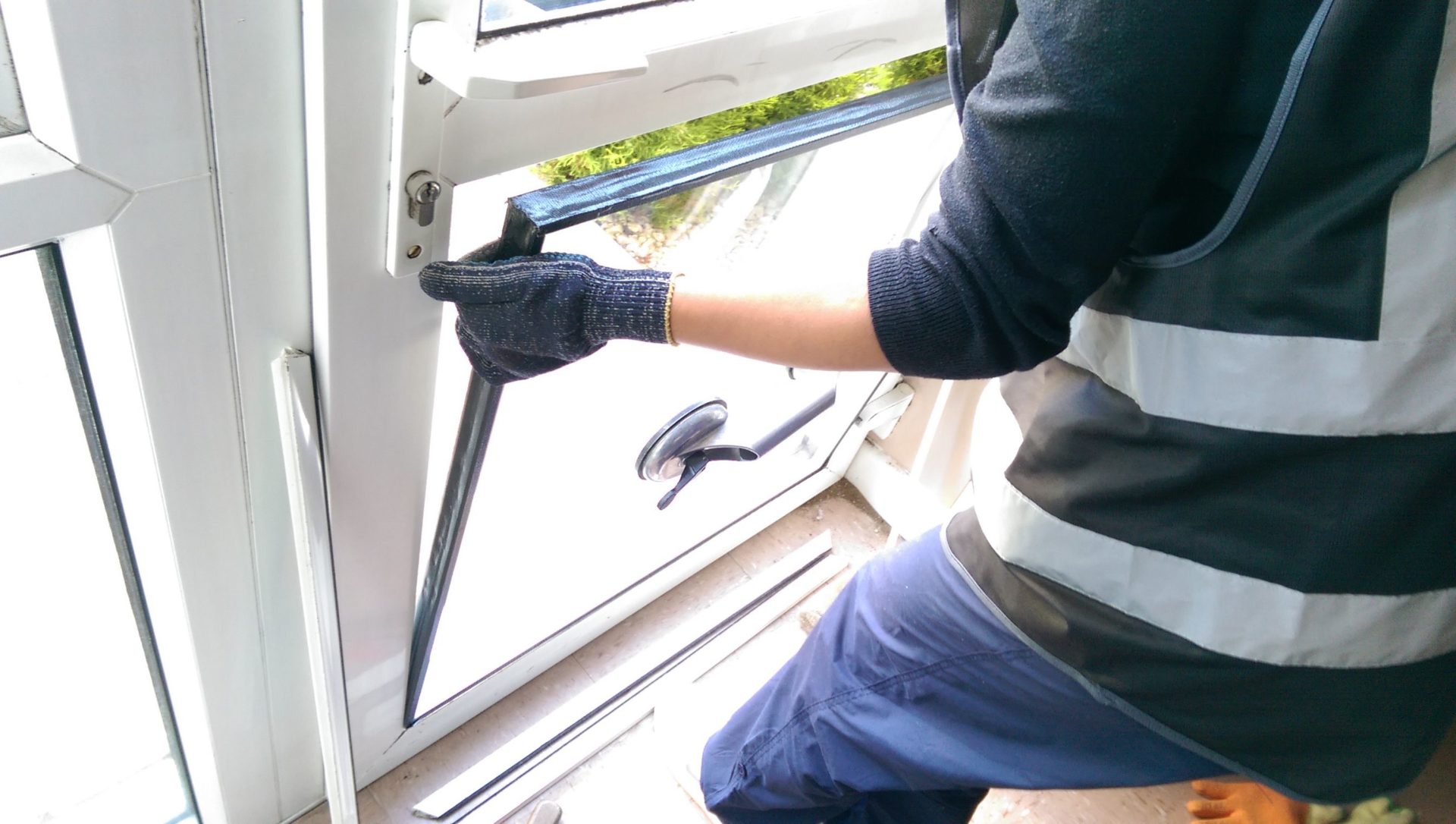
- Setup: Professional installers get rid of existing windows and thoroughly fit the new double-glazed systems.
- Finishing: Any required changes, including sealing and completing touches, are completed.
To completely appreciate the value of professional setup, it is essential to acknowledge the abilities needed to make sure appropriate positioning, sealing, and insulation.
Upkeep of Double Glazing
While double glazing is generally low maintenance, homeowners must implement specific practices to prolong its life expectancy and efficiency:
- Regular Cleaning: Clean the external and inner glass surface areas regularly using a mild detergent and soft fabric.
- Inspect Seals: Periodically check the seals around the frames for any signs of damage or wear.
- Keep Drains Clear: Ensure drainage holes in frames are devoid of particles to prevent water accumulation.
- Professional Servicing: Consider having the units expertly serviced every few years to ensure functionality.
Frequently Asked Questions (FAQs)
1. How long does double glazing last?Double glazing units generally last in between 20 and 35 years, supplied they are installed properly and kept. 2. Can double glazing decrease my energy bills?Yes, it
can significantly lower energy bills by improving insulation and decreasing the need for heating & cooling. 3. Is double glazing worth the investment?Yes, while it may need a greater initial
financial investment, the long-term cost savings on energy expenses and increased residential or commercial property value often make it a worthwhile expenditure. 4. Are there double glazing installation review for installing double glazing?In many areas, there may be government-backed incentives, rebates, or grants readily available for energy-efficient home enhancement procedures, including double
glazing. 5. Can double glazing be installed in existing windows?Yes, double glazing can be retrofitted into existing window frames, though this might include more work than setting up new
windows. Investing in professional double glazing is a strategic choice for house owners looking for to improve convenience, security, and energy efficiency in their properties. With a wide variety of alternatives offered, along with the clear benefits it brings, double glazing has actually shown itself a sound investment for homes. By understanding its benefits, installation processes, and upkeep pointers, homeowners can make experienced choices that will cause long lasting convenience and lowered energy expenditures in the long run.